
At Montecarrubo, Syrah is more than a grape variety. It is a way of understanding the land.
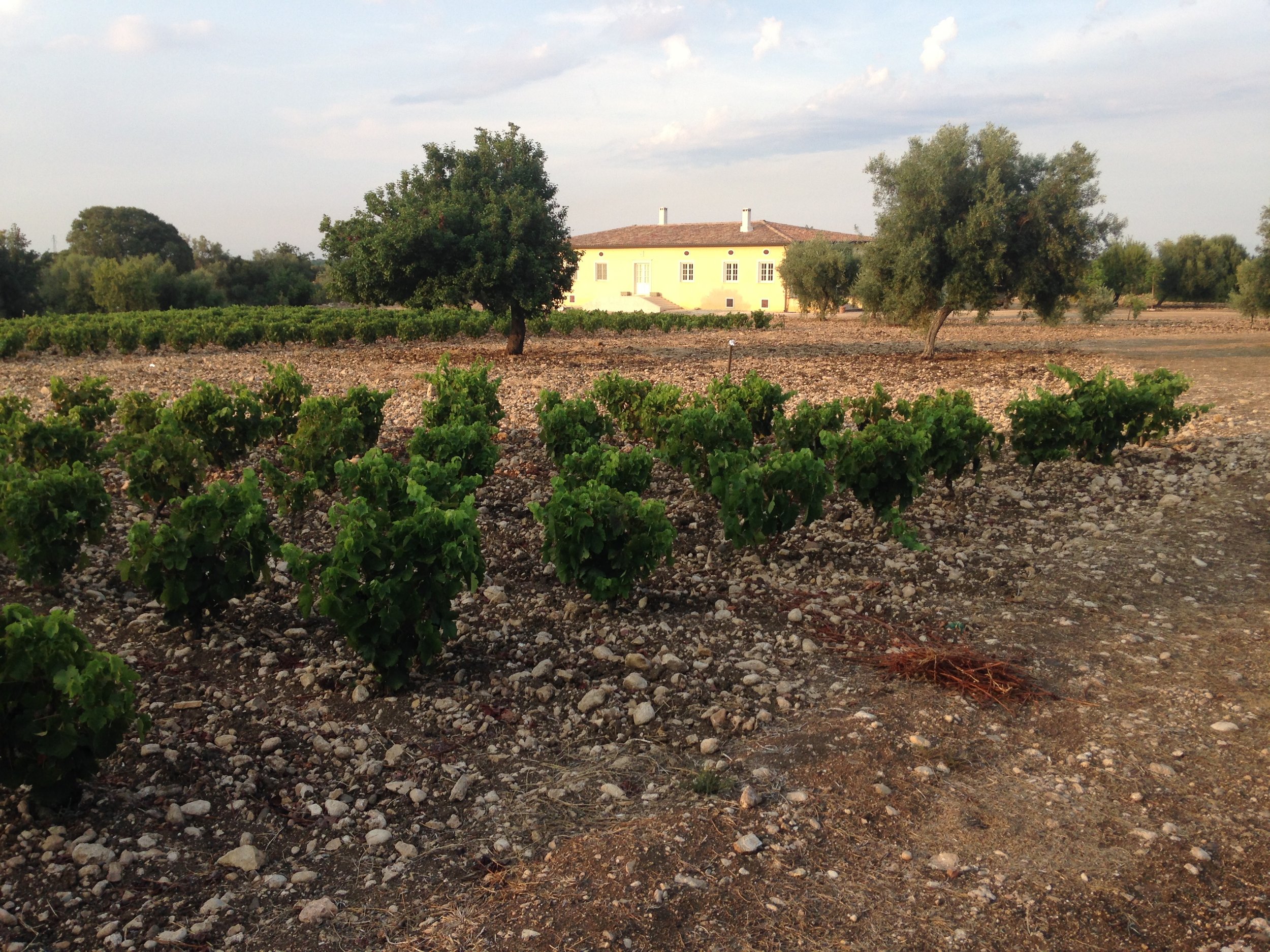
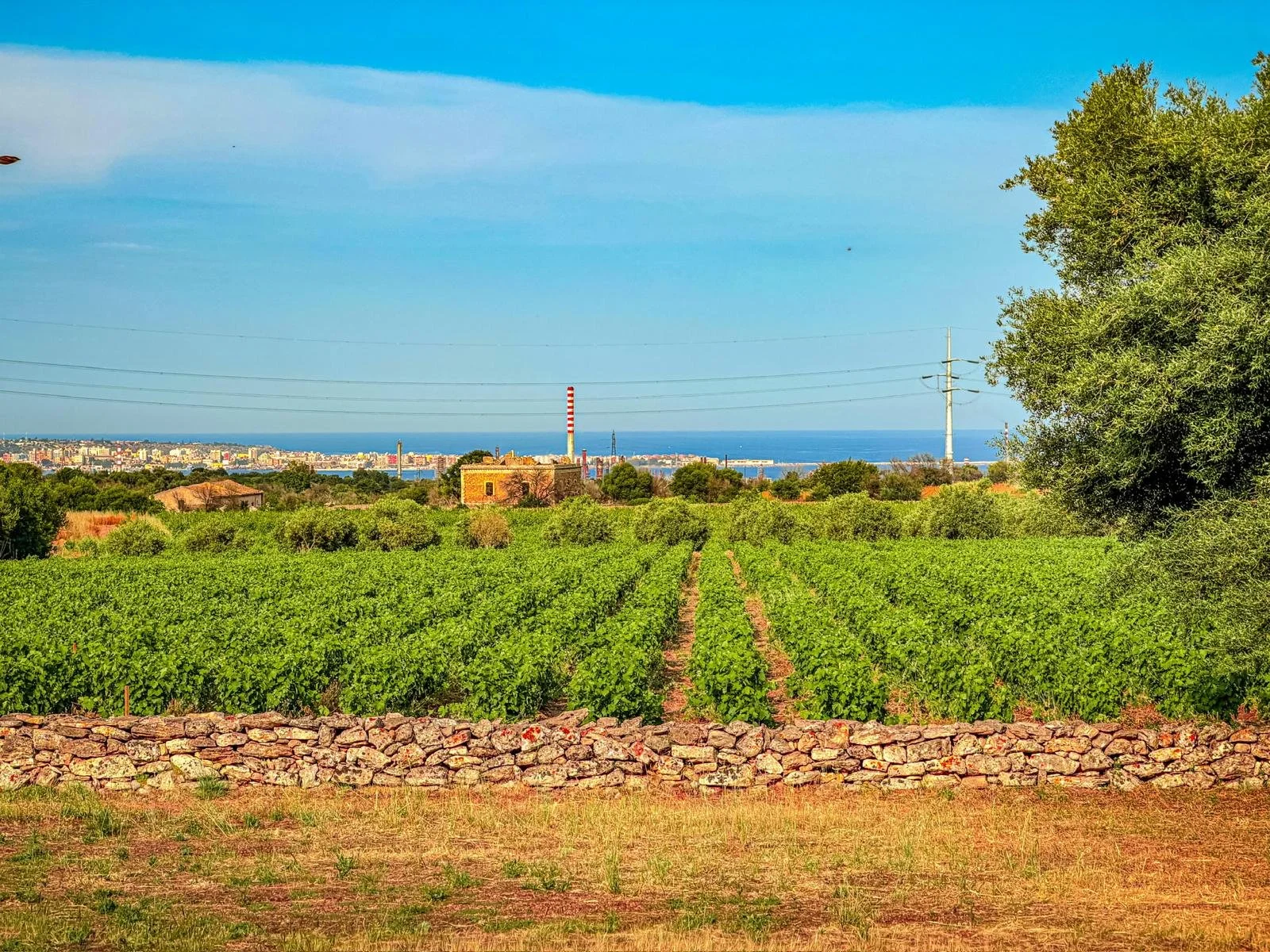
In the hills of south-eastern Sicily, near Syracuse and overlooking the Ionian Sea, two vineyards sit only a short distance apart. Both are planted with Syrah. Both originate from the same massal selections. Yet the wines they produce reveal distinctly different expressions of the same variety.
They are Vigna Grande and Vignolo, the two vineyards at the heart of Montecarrubo.
Syrah in Sicily
Sicily is often associated with its native grape varieties, but the island's diversity of soils, altitude and climate also provides an extraordinary environment for varieties that originated elsewhere.
At Montecarrubo, the decision to plant Syrah came only after years spent studying the land.
The estate lies near Melilli, in south-eastern Sicily, on the remains of an ancient extinct submarine volcano. Here, volcanic rock meets limestone, sand and fossilised marine sediments — traces of a landscape shaped over millions of years by both fire and sea.
It was within this unusual geological setting that Peter Vinding-Diers saw the potential for Syrah.
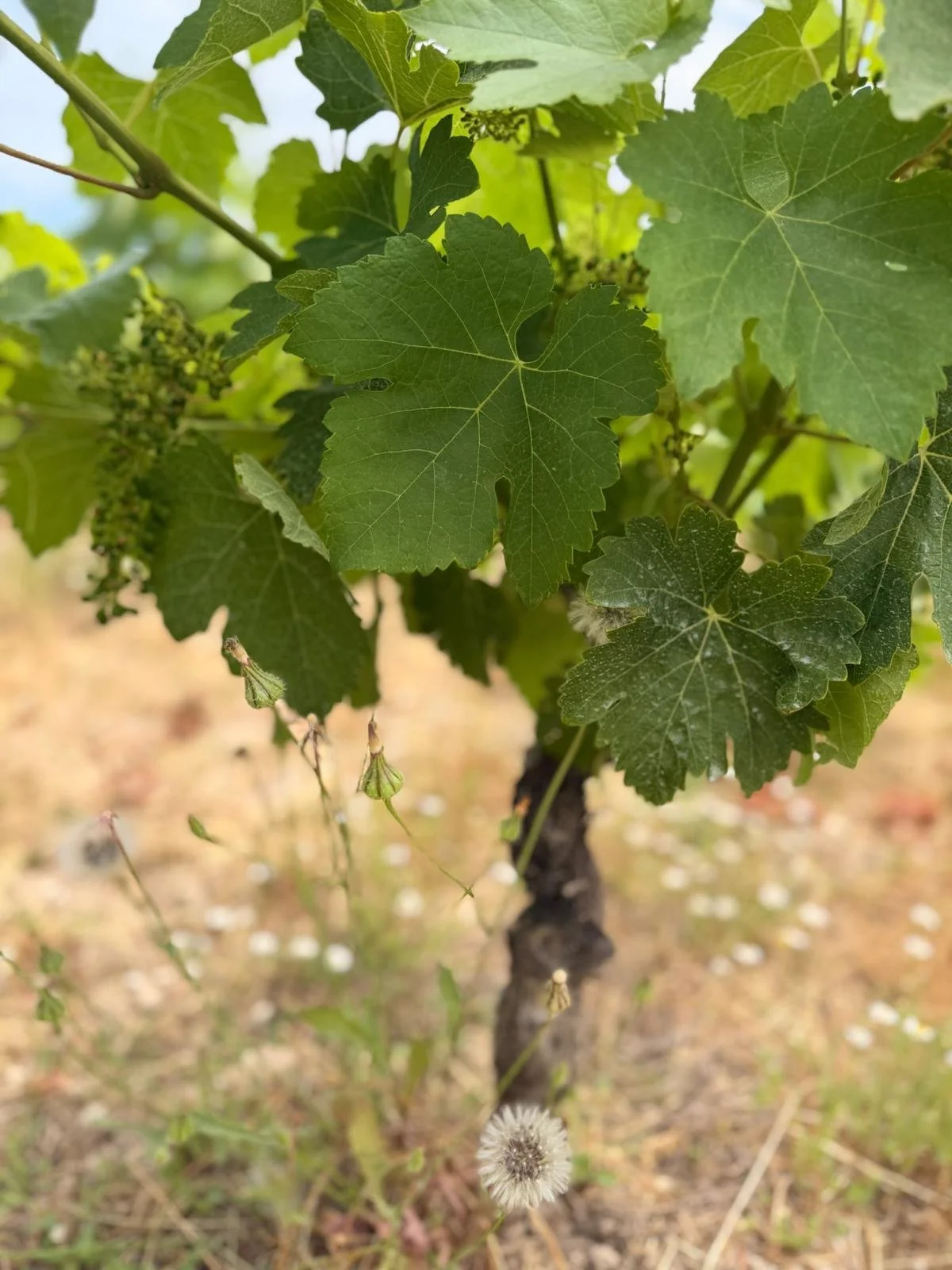
In 2010, Vigna Grande and Vignolo were planted using massal selections originating in Hermitage in the Rhône Valley, one of the historic homes of Syrah.
The vines may share the same origins, but the ground beneath them tells two different stories.
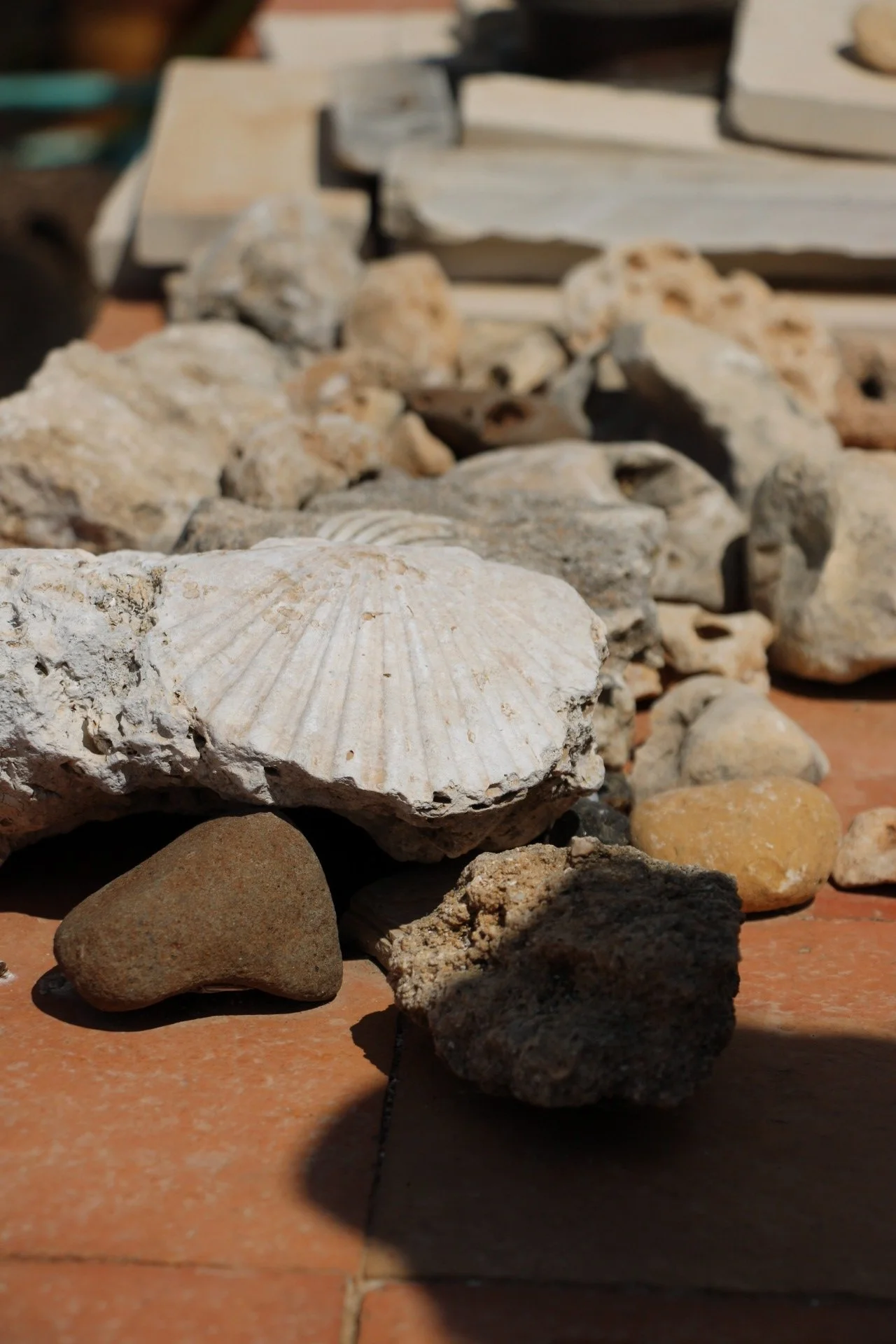
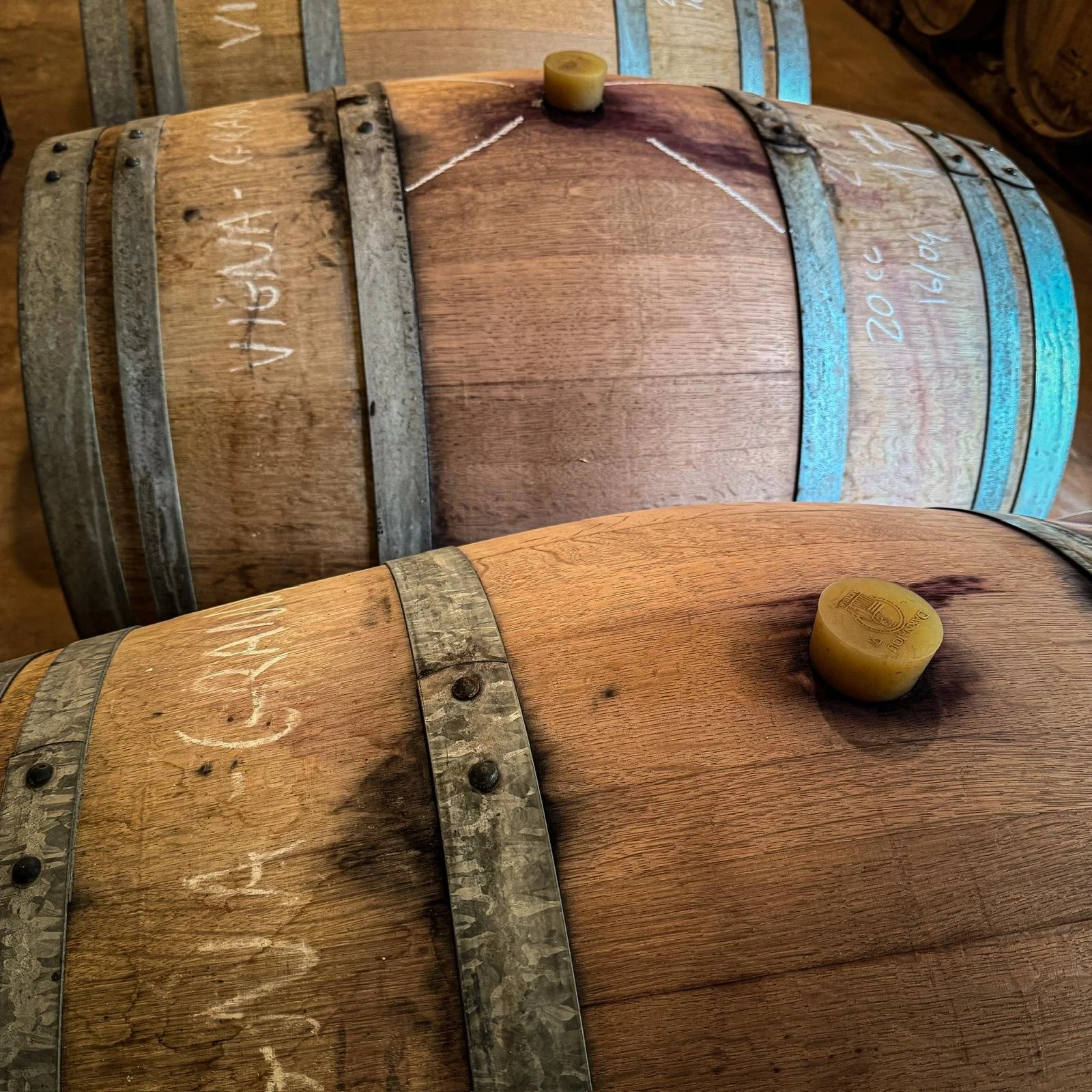
Vigna Grande: Syrah on volcanic soil
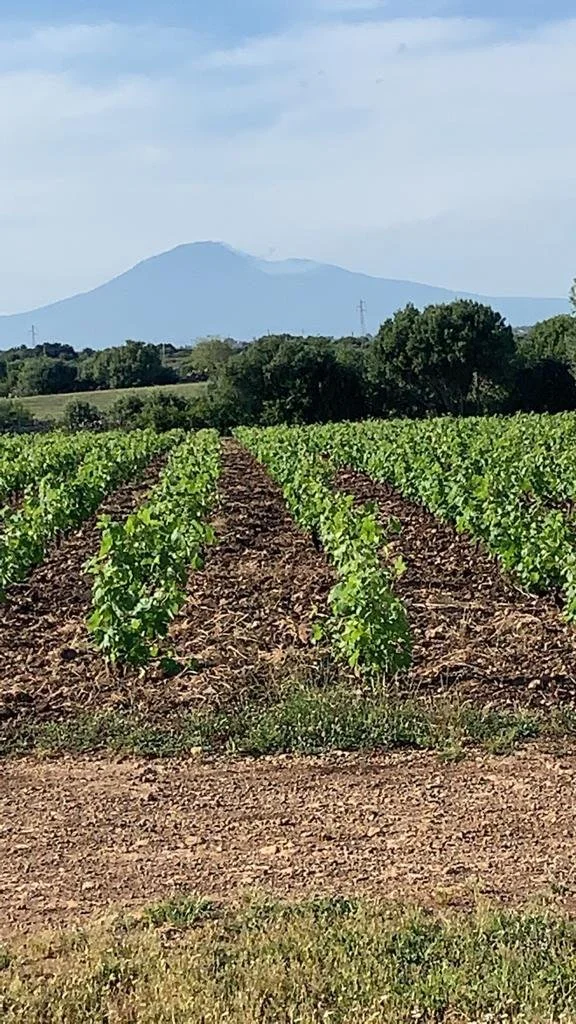
Located on the western side of the estate, Vigna Grande grows primarily on volcanic soil over fragmented basalt.
Basalt is part of the geological history of Montecarrubo. The estate itself sits within the remains of an ancient submarine volcanic formation, and traces of this past remain visible throughout the land.
Vigna Grande therefore represents one side of Montecarrubo's geological identity: a vineyard closely connected to its volcanic origins.
Rather than treating Syrah simply as a varietal expression, the aim at Montecarrubo is to allow the vineyard to remain visible in the finished wine.
The grapes from Vigna Grande are harvested and vinified separately each year, preserving the identity of the site from vineyard to cellar.
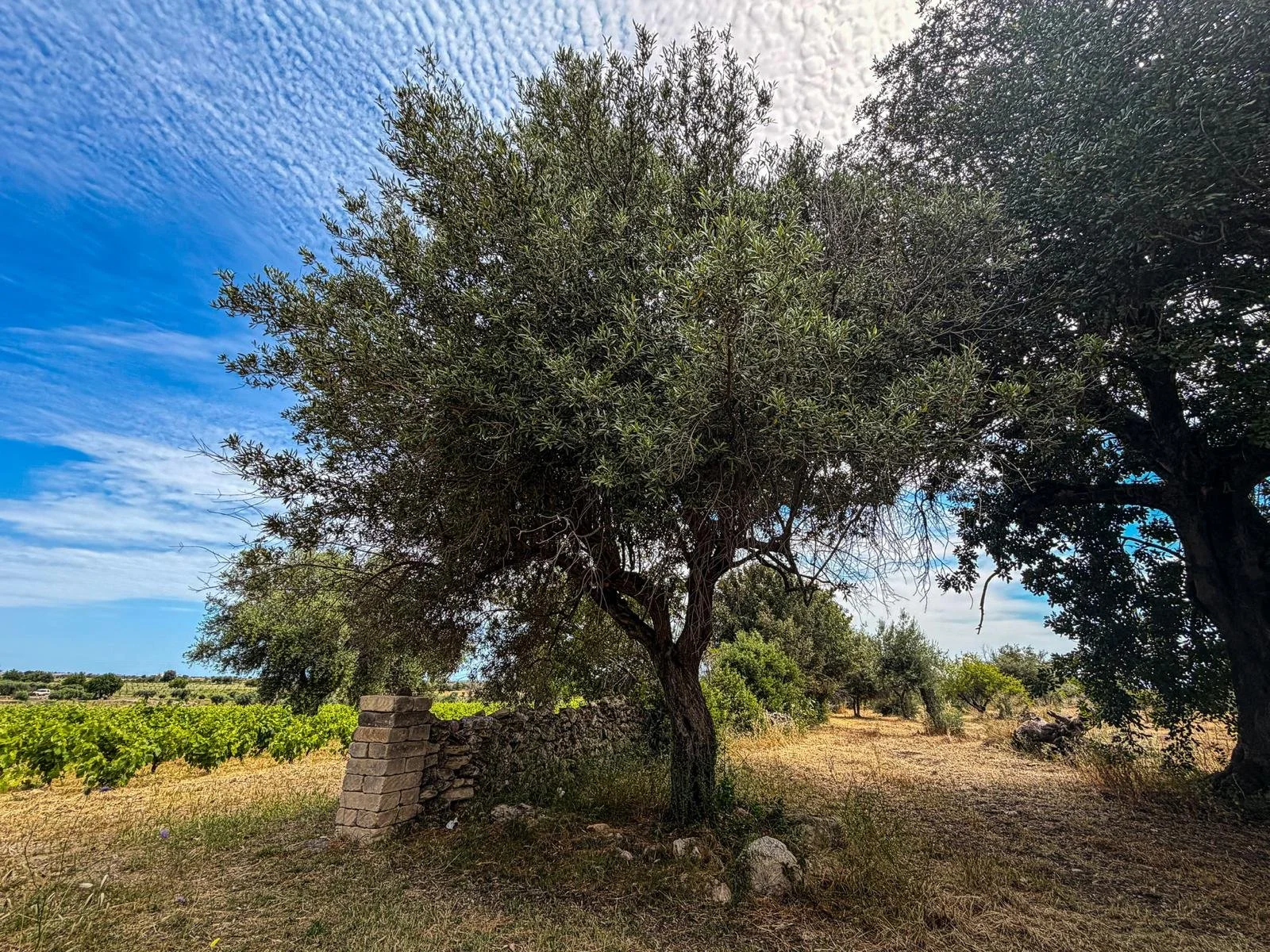
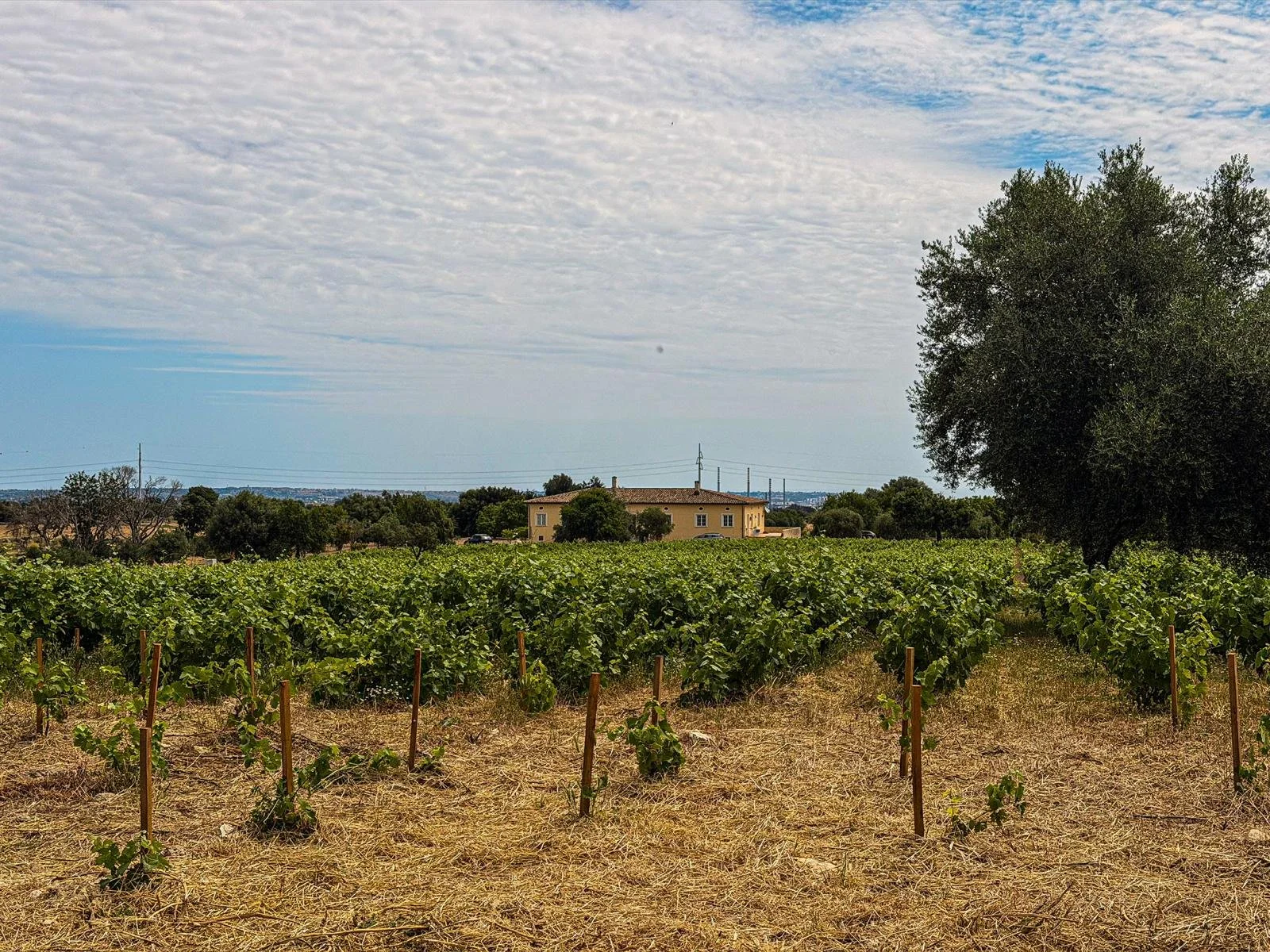
Vignolo: where volcanic land meets the sea
A short distance away, on the eastern side of the estate, Vignolo reveals another aspect of Montecarrubo.
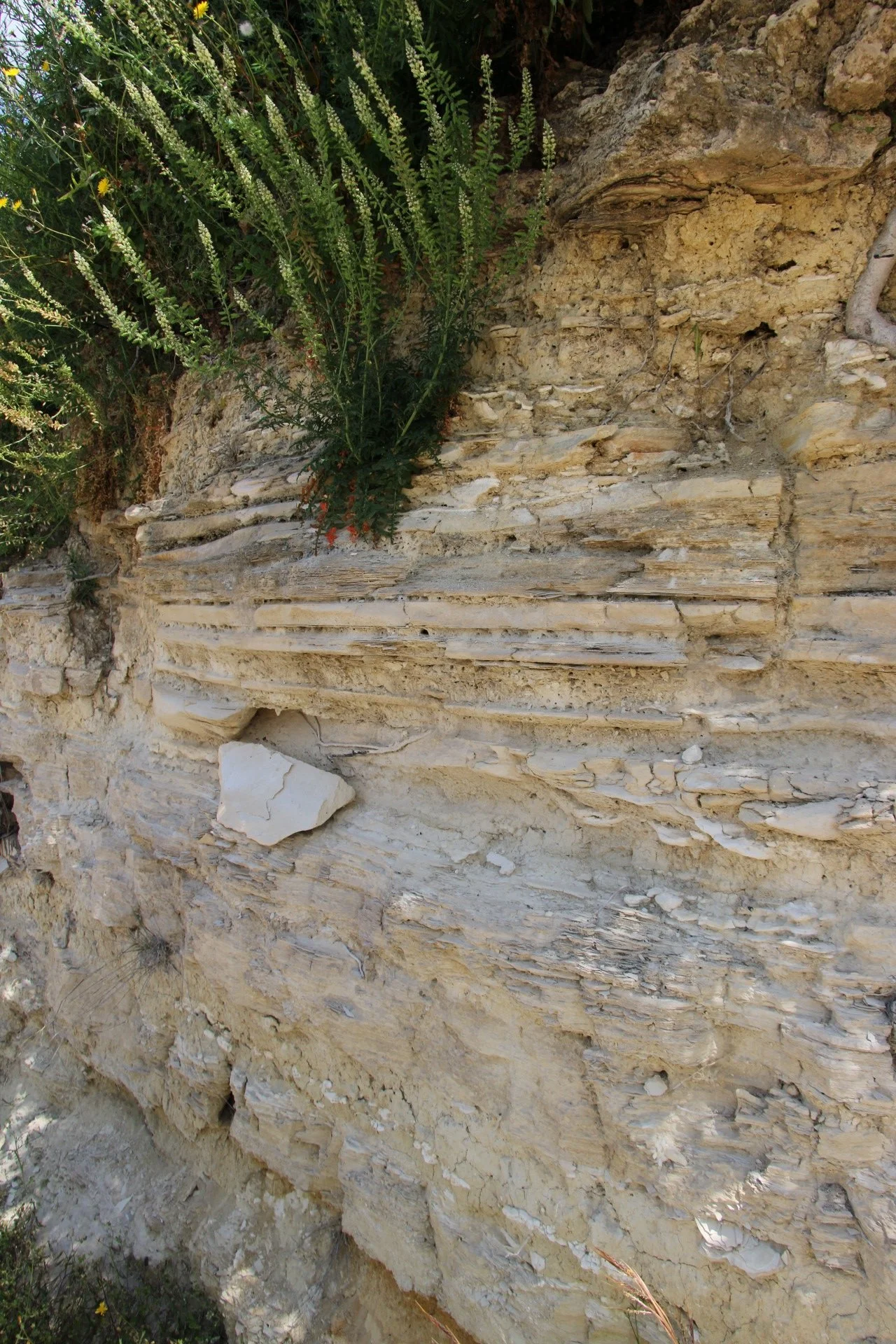
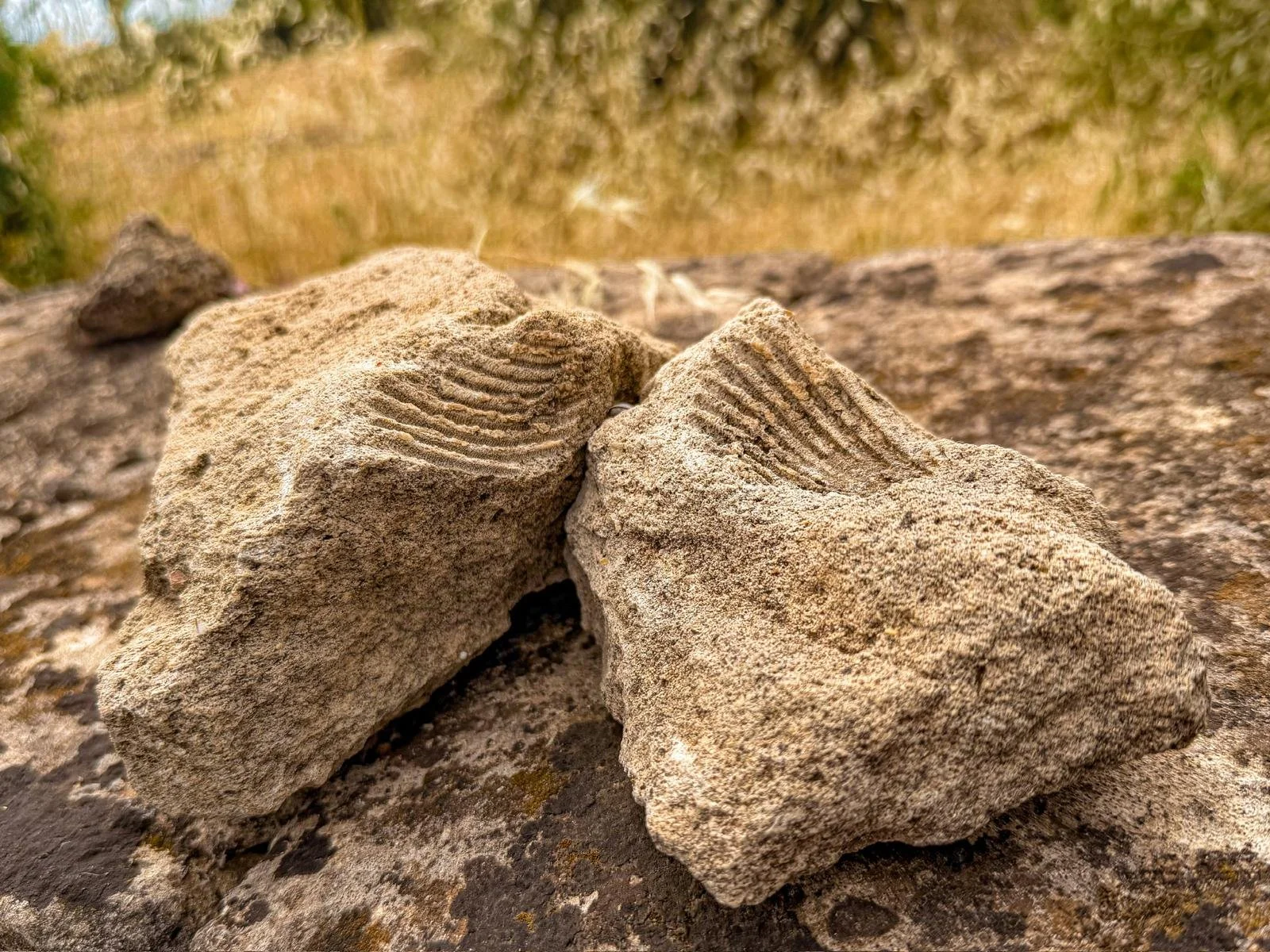
Its soils combine volcanic material, sand and ancient marine fossils.
The presence of fossilised marine sediments is a reminder that this land has not only been shaped by volcanic activity. Parts of the estate were once connected to an ancient seabed, leaving behind layers of marine material that remain embedded in the soil today.
It is this meeting of volcanic and marine geology that makes Montecarrubo particularly unusual.
At Vignolo, these elements coexist within a single vineyard.
As with Vigna Grande, its grapes are harvested and vinified independently, allowing the character of the individual site to emerge without being blended away.
Same grape, different terroir
Vigna Grande and Vignolo provide a simple illustration of one of the most important ideas in wine: the same grape variety can behave differently depending on where it grows. The vineyards share several important elements.
They are part of the same estate. They experience the influence of the same Mediterranean climate and the nearby Ionian Sea. They were planted in the same year and originate from the same Syrah selections.
What changes is the soil.
Vigna Grande is rooted predominantly in volcanic material and fragmented basalt.
Vignolo combines volcanic components with sand and fossilised marine sediments.
For Montecarrubo, preserving this distinction is fundamental.
Each vineyard is therefore treated as an individual site, both in the vineyard and during winemaking. The intention is not to impose a predetermined style, but to allow the differences between the two places to become visible in the wines themselves.
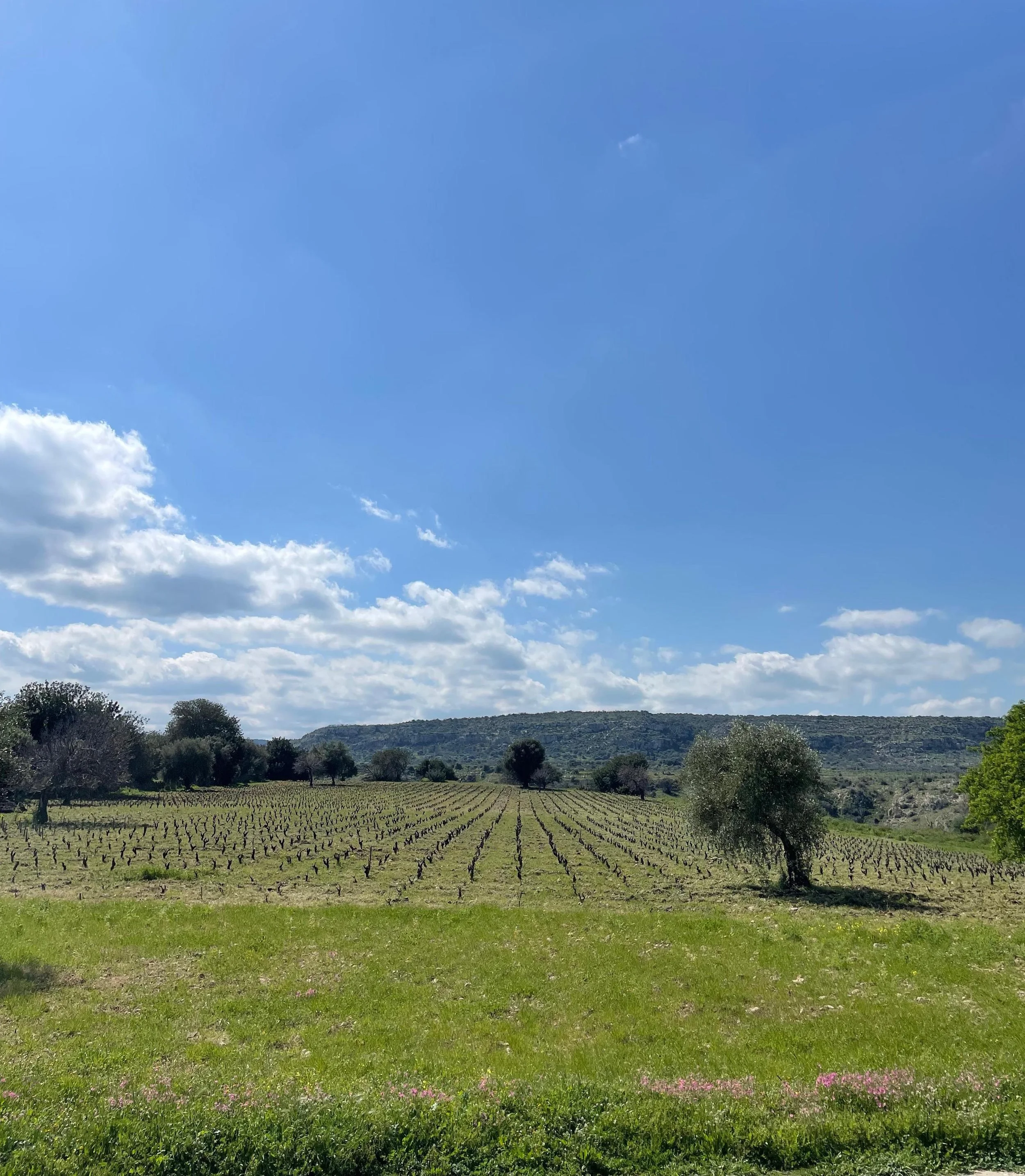
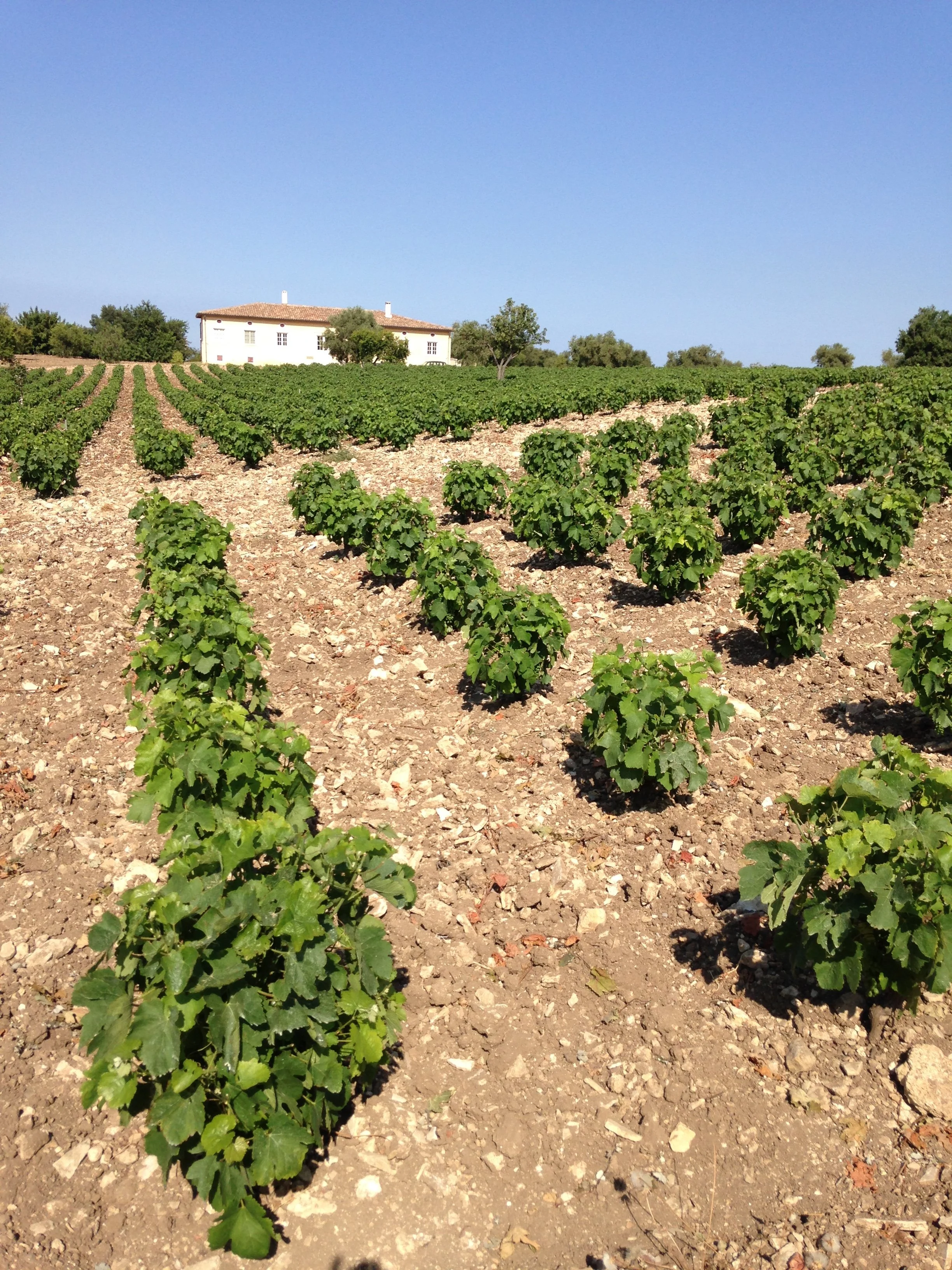
Side by side, Vigna Grande and Vignolo tell a story that goes beyond Syrah itself.
They reflect the geological complexity of south-eastern Sicily: volcanic rock formed by ancient eruptions, marine sediments left by a very different landscape, and the influence of the Mediterranean climate and Ionian Sea.
Two vineyards.
One grape variety.
Two different soils.
The result is two distinct interpretations of Syrah in Sicily, each rooted in its own precise place.
For Montecarrubo, that difference is exactly the point.